Maldon Salt labelling questions passed to Essex Trading Standards
Labelling is not a matter for the district council. In Essex it falls to the county council's trading standards service, which has looked at how Maldon Salt is made before, as our story last Sunday on the Observer's findings set out.
What trading standards found in 2019
Trading standards officers visited the firm's works at Longwick Farm, near Goldhanger, with the Food Standards Agency on 6 November 2019 and took samples. After advice from a public analyst, the FSA and Defra, they decided no further action was needed. Maldon Salt says the FSA and trading standards are satisfied with how its product is described and know exactly how the rock salt is used.
A county council trading standards spokesperson told the Observer there were no specific legal rules for deciding whether a product can accurately be described as sea salt. The UK has no legal definition of sea salt, and The Grocer, the food industry's trade magazine, says that means Maldon is doing nothing wrong under current UK labelling law.
A stricter rule in Canada
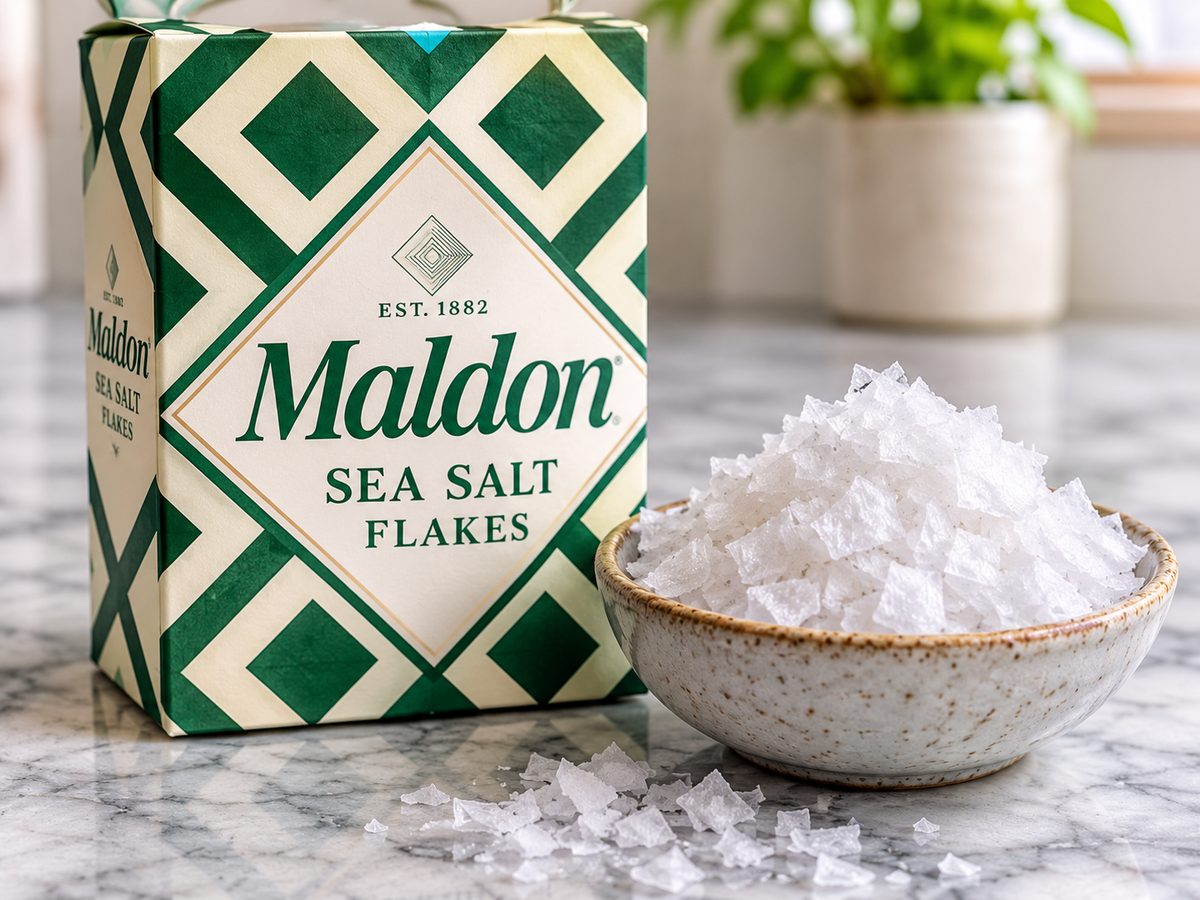
Other countries draw the line more clearly. Canada's food inspection agency says sea salt means salt processed from an existing sea, and salt from a mine cannot be labelled that way. In Canada, Maldon's packs are labelled Maldon Salt and list the ingredient as salt flakes. The Observer reported that the firm had not commented on the change.
What the Observer found
As The Seax reported last Sunday, an Observer investigation found that Maldon Salt mixes rock salt mined in Germany by K+S into the seawater it draws from the Blackwater estuary, and estimated that about 50 tonnes arrive each week. The paper reported that the firm bought its rock salt from Cheshire until about 2020 and has mostly bought it from Germany since.
Maldon Salt does not dispute that some of the added rock salt ends up in the finished flakes. It says rock salt is ancient sea salt from prehistoric seas, that its "100% sea salt flakes" label is accurate, that it has never hidden its salt-on-salt method, and that its products comply with food and labelling law in every market where they are sold.
The planning history
Deliveries of salt to Longwick Farm have a long planning history. The Observer reported that the 2006 permission for the works covered salt made from Blackwater water, that a condition added in 2011 banned salt being delivered to the site for making or selling salt, and that the firm applied to lift it the following year, was refused by the council and won on appeal. Neighbours have questioned the deliveries since they first filmed them in 2010.
Maldon Salt has made salt in the town for 144 years and is a major local employer. No UK regulator has taken action against it over the way its salt is made or labelled.
Key points
- Officials took samples at the works in 2019 and took no action
- The UK has no legal definition of sea salt
- In Canada the packs say Maldon Salt
You may be interested in
- Trading Standards seize 460,000 illicit cigarettes Braintree & Chelmsford · Friday 30 October
- Inspector overrules Maldon council to allow self-build house on Tollesbury field Tollesbury · Monday 16 November
- Maldon Salt mixes German rock salt into its product, Observer finds Goldhanger · Sunday 15 November
- Maldon council to decide on 25-year River Blackwater foreshore leases Maldon · Friday 20 November
Earlier on this story: Maldon Salt mixes German rock salt into its product, Observer finds (Sunday 15 November)
Also reported by
- Maldon Standard maldonandburnhamstandard.co.uk ↗
- Essex County News essexcountynews.co.uk ↗
- FoodBev Media foodbev.com ↗
- The New Daily thenewdaily.com.au ↗
- Essex County News essexcountynews.co.uk ↗
This is a summary written by The Seax. The original reporting, quotes and images belong to The Seax and the other outlets listed. Spotted a mistake? Tell us.
Know more about this story, or have one of your own? Email news@theseax.com. Corrections to corrections@theseax.com.