
Harwich firm and University of Essex test VR for helicopter rescue crews
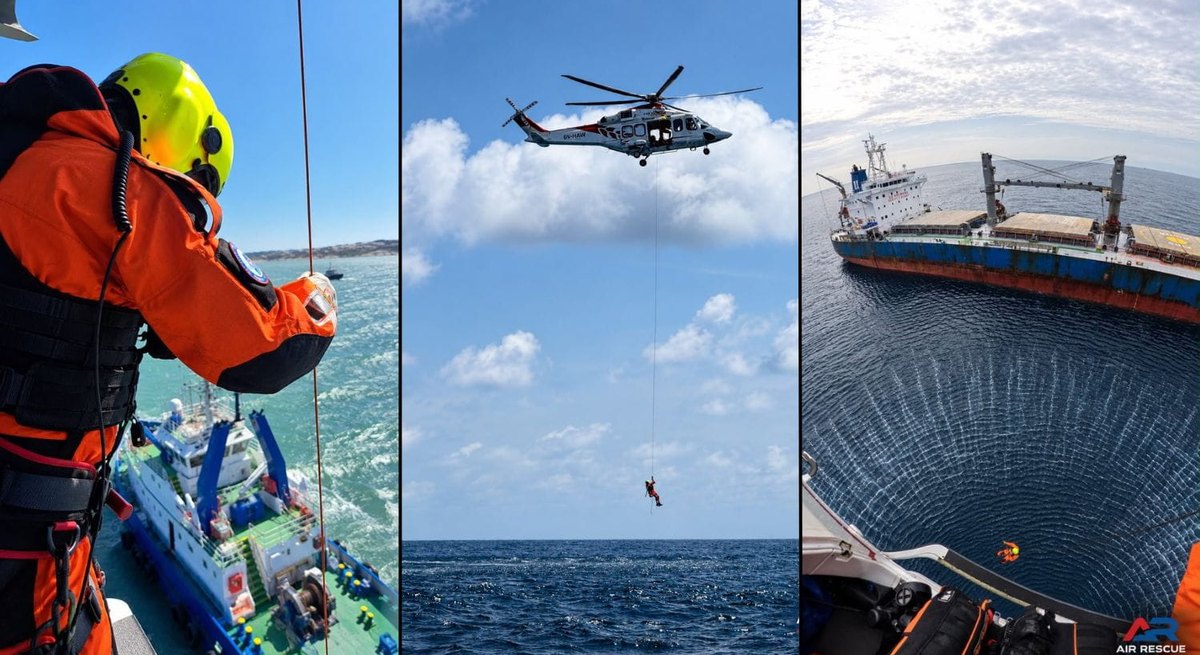
Psychologists worked with Air Rescue UK, which trains helicopter winch crews in Harwich, on a simulator that lets them practise emergencies too dangerous to stage for real.
Virtual reality could help helicopter rescue crews practise emergencies that are too dangerous to stage in the air, research by the University of Essex and Air Rescue UK suggests. Air Rescue UK trains helicopter winch crews at its centre in Harwich.
Psychologists from the university looked at how virtual and mixed reality could add to the training of helicopter hoist operators. These crew members run the winch during a rescue, guiding the pilot while keeping watch on the weather, obstacles, the aircraft and the person being lifted.
Training on real flights is expensive and carries risks. Some situations, such as severe weather, equipment failures and dangerous seas, cannot safely be set up on purpose, the university said.
A simulator with a real cable
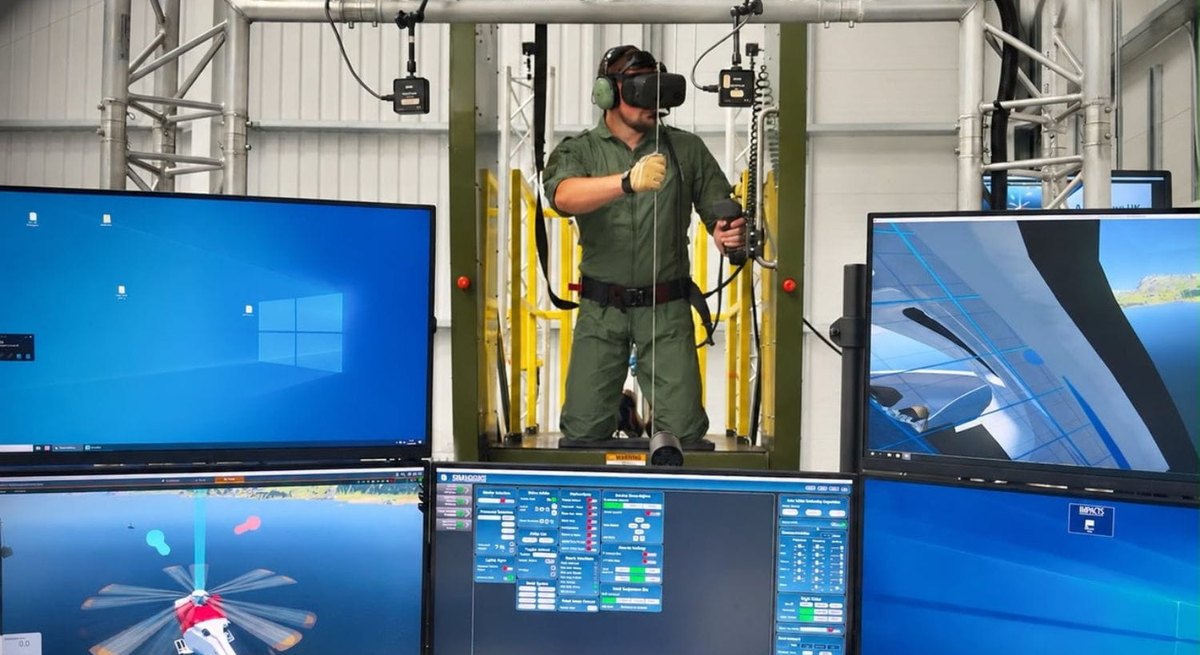
The team assessed Air Rescue UK's mixed-reality simulator and reviewed earlier research. The system pairs a virtual scene with real equipment, including a hoist cable that recreates the pull and movement operators feel on a real mission.
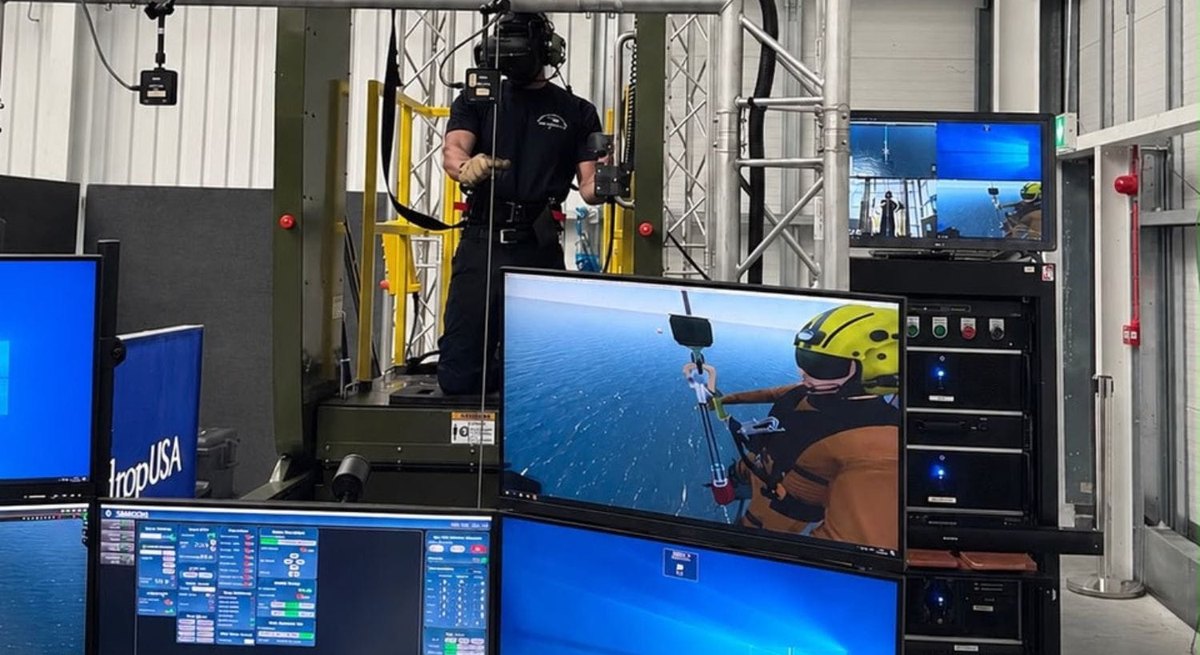
Trainees can practise a runaway winch, a fouled cable, an engine failure and an emergency cut of the hoist cable, as well as rough conditions. Up to 92% of evaluations after training showed trainees felt they had learned something new or sharpened their skills.
The researchers also found that the harder a session felt mentally, the more operators felt they had learned. They say training could one day be matched to experience, easing beginners in and giving old hands tougher, time-pressured emergencies.
What they said
Dr Claire Oakley, a research associate on the project, said: "What is exciting about virtual reality is that it allows us to study decision-making under pressure in a safe and controlled way."
Understanding those processes better could help the team design more effective training for rescue crews, she added.
A spokesperson for Air Rescue UK said the company was "pleased with the early results" of the partnership. It said the work had laid the groundwork for hoist training that meets the needs of new and experienced operators, helicopter operators, the industry and the regulator.
Trained in Harwich
Air Rescue UK opened its training centre at Sentinel House in Harwich in 2025, its 10th anniversary year, Air Med & Rescue magazine reported. The Lord-Lieutenant of Essex, Jennifer Tolhurst, opened the building.
The project was backed by the University of Essex Innovation Fund and led by Professor Miroslav Sirota, with Dr Oakley and Professor Marie Juanchich. Dr Motonori Yamaguchi, now at Shimane University in Japan, and Ian Bonthrone of Air Rescue UK also worked on it.
The next stage will look at tailoring simulator training to each trainee and measuring stress and mental workload. It will also test whether skills learned in the simulator carry over to real rescues. The full report is on the university's website.
Key points
- Up to 92% of trainee evaluations reported learning something new or sharpening skills
- Crews can rehearse winch failures and engine failures safely
- Air Rescue UK's training centre is at Sentinel House, Harwich
You may be interested in
- University of Essex students protest against MoD housing plan Wivenhoe Park · Tuesday 24 November
- University of Essex may house 150 MoD staff in spare Colchester rooms Colchester · Wednesday 18 November
- University of Essex pair named among world's most cited researchers Colchester · Wednesday 18 November
- University of Essex experts lead call for coastal focus in mental health plan Colchester · Thursday 19 November
- University of Essex AI skin cancer scientist named a top UK innovator Colchester · Tuesday 17 November
More Harwich news → More on University of Essex → More crime and court news →
Our research also drew on
- University of Essex: the full report repository.essex.ac.uk ↗
- Air Med & Rescue: Air Rescue UK's Harwich centre airmedandrescue.com ↗
This is a summary written by The Seax. The original reporting, quotes and images belong to University of Essex and the other outlets listed. Spotted a mistake? Tell us.
Know more about this story, or have one of your own? Email news@theseax.com. Corrections to corrections@theseax.com.