
University of Essex AI skin cancer scientist named a top UK innovator
Dr Haider Raza helped build a tool that judges whether a suspicious mole needs a closer look, with the aim of cutting waiting times.
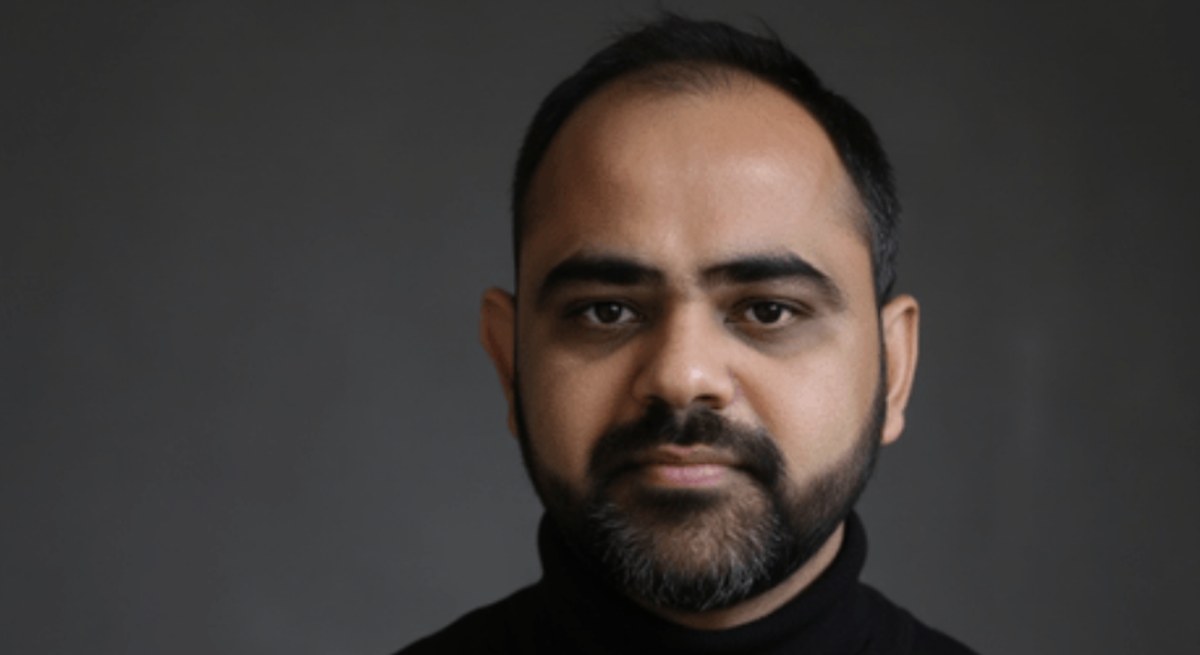
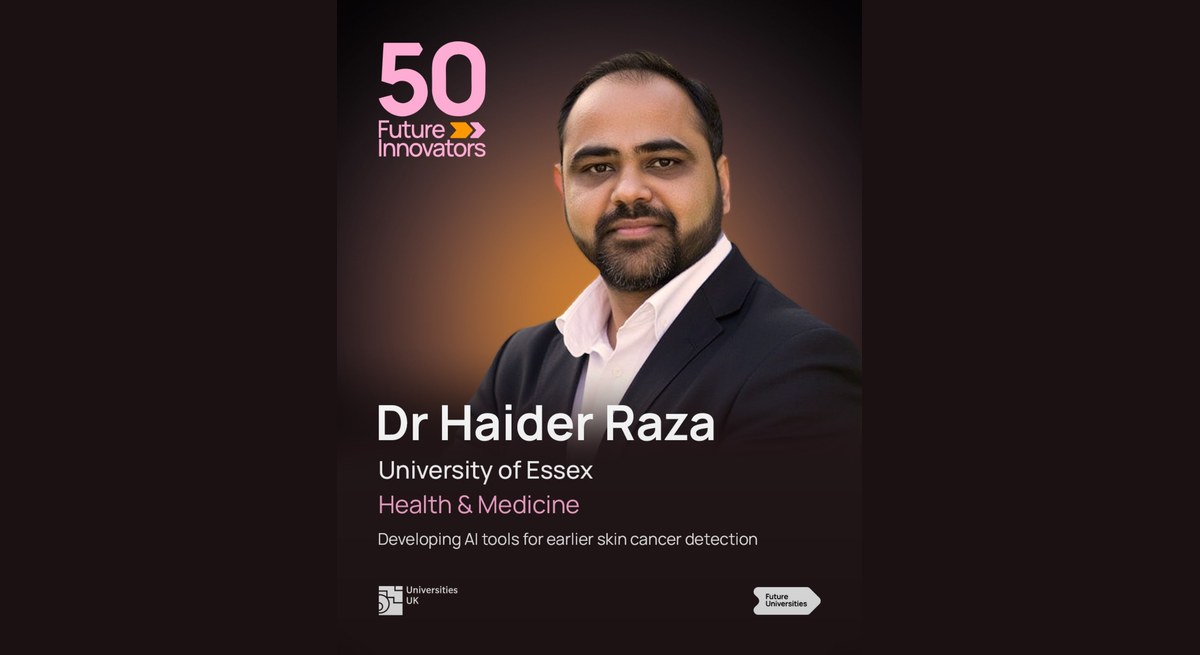
Dr Haider Raza, a senior lecturer in the University of Essex's School of Computer Science and Electronic Engineering, has been named on Universities UK's first 50 Future Innovators list, published on Tuesday.
Working with Cambridge screening company Check4Cancer through a Knowledge Transfer Partnership, he helped create SKINTEL, which combines image analysis with 22 patient characteristics, such as age, skin tone, hair colour and family history, to judge whether a suspicious lesion is malignant. It is designed to support doctors rather than replace them, speeding up diagnosis and catching the most dangerous lesions at the earliest stage.
"I'm honoured to be recognised," Dr Raza said, adding that he wanted to show how "trustworthy and explainable AI can deliver real-world impact in healthcare".
Professor Noam Lubell, the university's pro-vice-chancellor for research, said the work had the potential to transform skin cancer diagnostics around the world.
Universities UK, which represents more than 140 universities, chose the 50 from more than 300 nominations, with Baroness Martha Lane Fox among the independent judges. The list is part of its campaign to double outside investment in university innovation to £100bn by 2035.
Key points
- Picked from more than 300 nominations by a panel including Baroness Martha Lane Fox
- His SKINTEL tool is 99% accurate, the university says
Also reported by
This is a summary written by The Seax. The original reporting, quotes and images belong to University of Essex and the other outlets listed. Spotted a mistake? Tell us.
Know more about this story, or have one of your own? Email news@theseax.com. Corrections to corrections@theseax.com.